
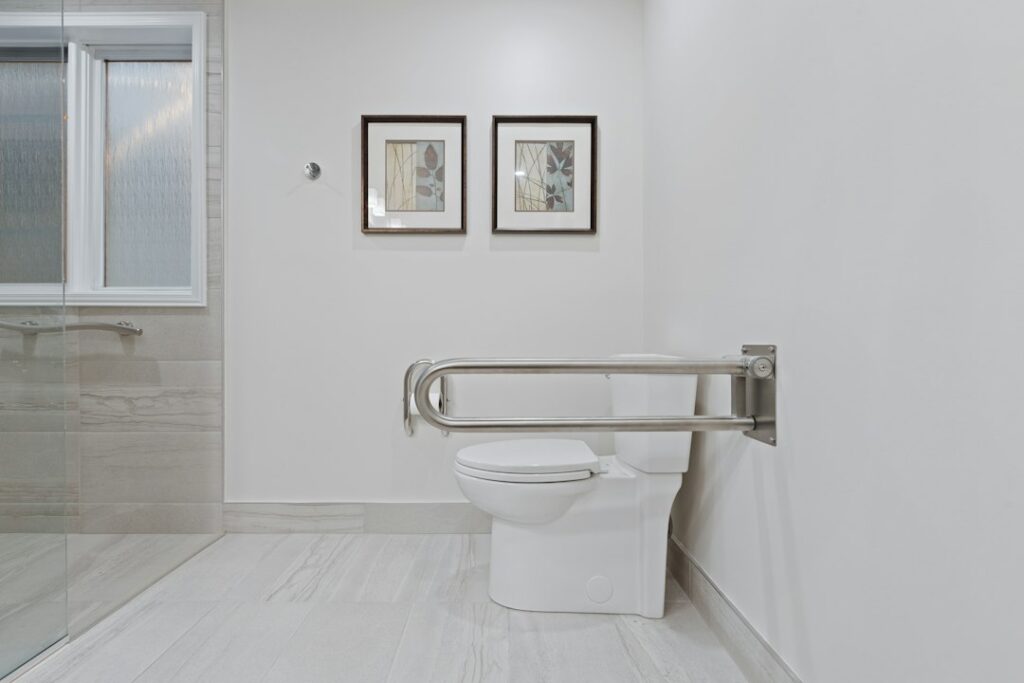
Assisted living is a residential setting for adults who need help with some daily activities but do not require the continuous medical care provided in a nursing home. Residents typically have a private or shared living space, meals, housekeeping, social activities, safety support, and assistance with tasks such as bathing, dressing, walking, toileting, or taking medication.
For households in Mohnton, PA, understanding the differences between assisted living, personal care homes, home care, and nursing facilities can make long-term planning less confusing. The right setting depends on a person’s health, safety, preferences, finances, and likely future needs.
What does assisted living include?
Assisted living combines housing with personal care and supportive services. The goal is to help a resident remain as independent as possible while receiving assistance where it is needed.
Services may include:
- Help with bathing, dressing, grooming, and personal hygiene
- Assistance getting in and out of bed or a chair
- Support with walking, transferring, or using mobility equipment
- Medication reminders, medication assistance, or medication administration, depending on state rules and the residence
- Meals, snacks, and help with eating or drinking
- Housekeeping and laundry
- Transportation arrangements
- Appointment coordination
- Social, recreational, and educational activities
- Supervision for residents who may be at risk of wandering, falls, or other safety concerns
The amount of help varies by residence and by resident. Some people need only a little support in the morning and evening. Others require help throughout the day with several activities of daily living.
Assisted living is not simply an apartment with optional services. It is a care setting with staff, policies, emergency procedures, assessments, and a written service plan.
Who is usually a good fit?
Assisted living may be appropriate for an adult who is no longer fully safe or comfortable living alone but does not need hospital-level or continuous skilled nursing care.
Common signs that a person may need more support include:
- Frequent falls or difficulty moving around the home
- Missed medications or repeated medication mistakes
- Trouble preparing meals or maintaining adequate nutrition
- Increasing difficulty bathing, dressing, or using the bathroom
- Unsafe driving, getting lost, or leaving appliances on
- Social isolation, anxiety, or inability to manage household responsibilities
- Caregiver exhaustion or an unreliable caregiving schedule
A person does not need to be completely dependent to consider assisted living. Many residents move because ordinary household tasks have become difficult, even though they can still make decisions, participate in activities, and manage parts of their daily routine.
The timing can be especially relevant in a community with detached homes, older housing stock, stairs, winter weather, and transportation needs. Ice, snow, uneven walkways, and limited access to nearby services can turn a manageable home routine into a safety concern.
How is assisted living different from a personal care home?
Pennsylvania uses both “personal care home” and “assisted living residence” as regulated categories. The terms are related, but they are not identical.
A personal care home generally provides food, shelter, supervision, and assistance with personal care for adults who do not require nursing-facility services. An assisted living residence provides similar support but is designed to accommodate higher care needs and give residents more opportunity to age in place, make choices, and receive supplemental health care services.
The specific services, staffing, building design, and admission rules can differ. Families should not assume that every residence using the words “assisted living” offers the same level of care.
Both types of residences must be licensed in Pennsylvania and are subject to state requirements involving safety, staff training, nutrition, resident care, physical conditions, and other operating standards.
How does assisted living differ from a nursing home?
Assisted living is primarily residential support with personal care. A nursing home, also called a skilled nursing facility, is intended for people who need a higher level of ongoing medical or nursing care.
A nursing home may be more appropriate for someone who needs:
- Regular skilled nursing interventions
- Complex wound care
- Extensive rehabilitation
- Frequent medical monitoring
- Significant assistance with all mobility and personal care
- Care that cannot be safely delivered in a residential setting
The distinction is based on care needs, not age. Some older adults remain in assisted living for many years, while others need short-term rehabilitation or nursing care after an illness, injury, or hospitalization.
A person’s needs can also change. Moving into assisted living does not guarantee that the residence will be able to meet every future need. Ask what happens if the resident develops advanced dementia, becomes unable to transfer, needs more medical treatment, or requires a temporary rehabilitation stay.
What is the difference between assisted living and home care?
Home care provides assistance in a person’s own home. Assisted living provides the residence, meals, maintenance, activities, supervision, and care environment in one location.
Home care may work well when the home is safe, the person prefers to remain there, and reliable help can be arranged. It can become difficult when a person needs overnight supervision, several daily visits, substantial household upkeep, or quick assistance during an emergency.
Assisted living may offer more consistent access to staff, but it also involves moving from a familiar home. The decision should consider both care needs and the emotional meaning of the current residence.
How much does assisted living cost, and what pays for it?
Costs vary significantly based on location, room type, care level, medication support, memory care needs, and extra services. A monthly rate may not include every service, so families should request a complete fee schedule.
Ask specifically about:
- Entrance or community fees
- Deposits and move-in charges
- Care-level pricing
- Medication management fees
- Transportation charges
- Laundry, guest meals, or personal supplies
- Charges for higher assistance needs
- Fees during a hospital stay
- Refund and discharge policies

In Pennsylvania, assisted living and personal care are generally paid privately. Medicare usually does not pay for room, board, or routine personal care in an assisted living setting. Some residents may qualify for limited public assistance or supportive programs based on financial and care eligibility, but coverage rules are specific and should be verified before relying on them.
Possible funding sources may include personal savings, retirement income, pensions, long-term care insurance, or assistance from family members. Selling a home or using home equity can have tax, legal, and financial consequences, so those decisions require individualized advice.
What should families look for during a visit?
A visit should focus on ordinary daily life, not just the lobby or activity room. If possible, visit at different times, including during a meal or evening routine.
Look for:
- Residents who appear clean, comfortable, and treated respectfully
- Staff who respond calmly and know residents’ names
- Clear hallways, adequate lighting, handrails, and safe bathrooms
- Clean dining areas and food that appears appealing
- A realistic schedule of activities
- Secure procedures for emergencies and severe weather
- Comfortable room temperatures, especially during hot summers and cold winters
- Policies for visitors, pets, smoking, transportation, and overnight absences
Ask how often care plans are reviewed, how families are notified of changes, how falls are handled, and whether residents can keep personal furniture or preferred routines.
What questions should be answered before moving in?
Before signing an agreement, request clear written answers to these questions:
- What services are included in the monthly fee?
- How is a resident’s care level assessed?
- What happens if needs increase?
- Are licensed nurses available, and during which hours?
- How are medications handled?
- What health conditions or behaviors cannot be safely supported?
- Is there a separate memory care area?
- How are emergencies, power outages, snow, and severe storms managed?
- What are the discharge rules?
- Who is responsible for arranging medical appointments and transportation?
- How are complaints, injuries, and changes in condition communicated?
Residents also have rights related to privacy, dignity, personal choice, and participation in decisions about their care. A written contract and service plan should explain responsibilities clearly, without relying on verbal promises.
The most useful comparison is not simply the monthly price. It is whether the setting can safely meet current needs, adapt as those needs change, and support the resident’s independence and daily quality of life.
